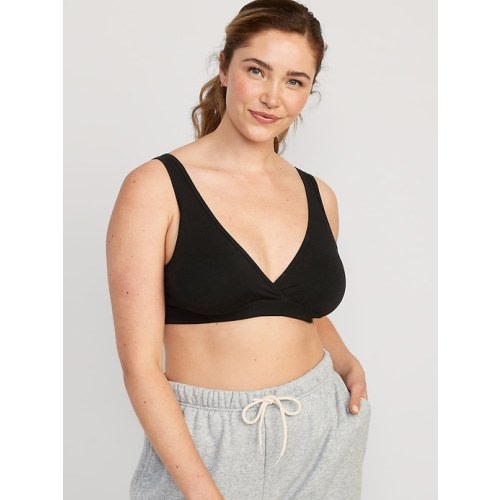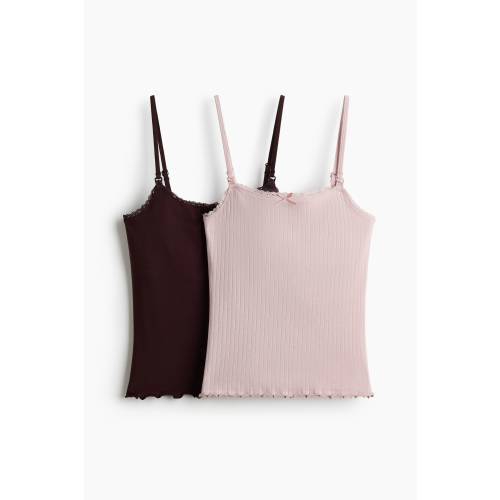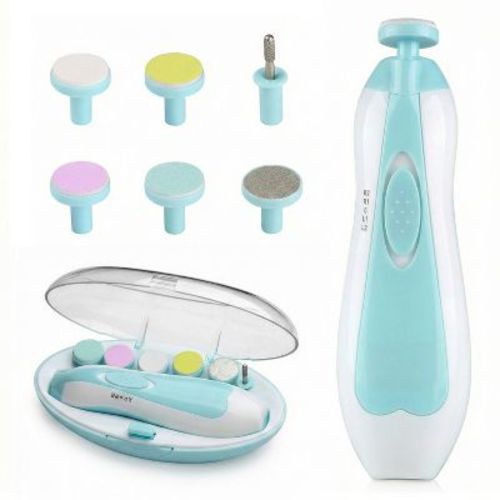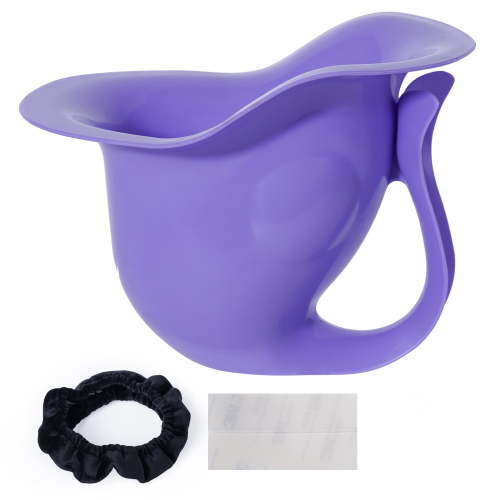
Chase & Savannah's Baby Registry
A Note from Savannah & Chase
*Welcoming their little one · August 2026*
We are so thrilled to have you celebrating with us! We’d love to share how we’re preparing for this new chapter — and how you can be a part of it in a way that feels meaningful to our family.
-----
✨ Our Approach
We are building a mindful, Montessori-inspired home — one that prioritizes natural materials, low-toxin products, and a deep respect for the way children naturally grow and learn. Our little one will be raised with autonomy from day one, and we plan to homeschool as they grow.
When it comes to our registry, we’ve focused our highest-quality choices on items with the most direct skin contact, and made practical, safety-conscious decisions on everything else. Each item is intentional — but we want to be clear that perfection is not the goal. What matters to us is intention and effort: doing our best to cause the least harm to our child’s development and health in a world that is already full of so much that is outside our control. We understand that not everything can be made from 100% natural materials, and that is completely fine. The most important considerations are what will directly contact their skin or mouth. Everything else is just our preference.
We won’t turn down anything given from a place of sentiment, love, or excitement. We are asking for mindful choices above all — not perfect ones.
💛 **Used gifts are warmly welcomed!** Clothing, blankets, soft goods, and wooden toys in good condition are all treasured.
-----
🎉 A Note on the Shower
We’ll be doing a gender reveal at the shower, so we’ve kept colors open! You may notice a lot of purple, orange, and brown throughout our registry — that’s mom’s aesthetic preference — but we are genuinely open to anything across the color spectrum. Come ready to find out!
-----
🪃 Our Montessori-Inspired Home
Our registry looks a little different from a traditional one — no swings, bouncers, baby monitors, or light-up toys. That’s intentional!
At its heart, a Montessori environment follows the child’s natural development rather than rushing or directing it. Instead of entertaining baby, we’re creating space for them to explore, observe, and discover at their own pace.
**Physically, this looks like*
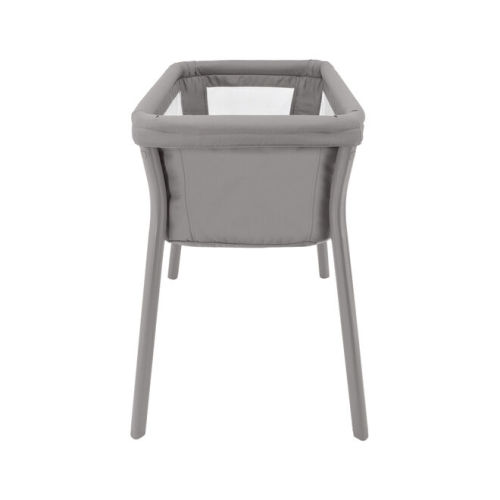
- A floor bed instead of a crib, so baby can move freely from the start
- Low, open shelves with a small rotation of simple toys
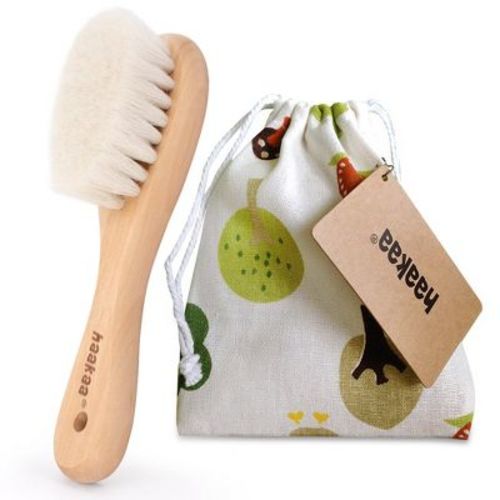
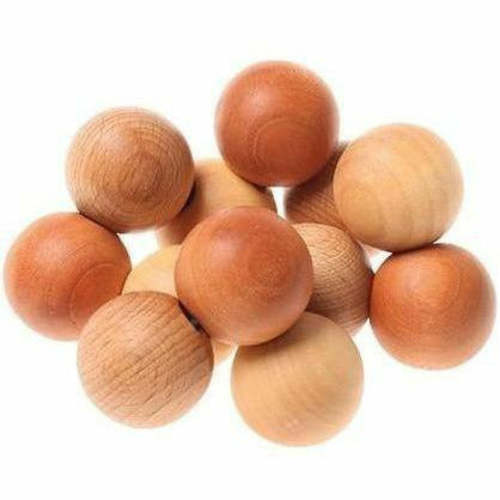
- Natural materials — wood, cotton, wool, rubber — that engage the senses
- Real objects when possible — a small cup, a wooden spoon, a basket of pinecones — over plastic replicas
**Emotionally, this looks like*
- Following baby’s cues rather than a rigid schedule
- Allowing struggle as part of the learning process, rather than immediately stepping in
- Speaking to our child with respect from day one — narrating, explaining, including
- Trusting that children are naturally capable and curious when given the space to be
It’s less about the “stuff” and more about the approach.
-----
🧠 Real Life Before Seven
One of the most foundational principles in Montessori — and one backed by decades of child development research — is that children under the age of seven are in what Maria Montessori called the “absorbent mind” phase. During these years, children don’t just learn from their environment — they become it. They absorb the world around them directly into their developing minds, forming the neural pathways, sensory foundations, and emotional architecture that will carry them for the rest of their lives.
This is why, in Montessori philosophy, the early years are treated as a time of real life rather than rehearsal. Children don’t need to be entertained or prepared for the world — they need to be in it. Washing their own hands, folding a cloth, pouring water, watching bread being made, digging in soil. These aren’t just activities — they’re the curriculum.
This shapes how we think about screen time, toys, and the rhythm of daily life. Before age seven:
- Real experiences outweigh any screen — a walk outside, a trip to the market, or helping in the kitchen does more for a child’s development than any educational video
- Simple, open-ended objects spark more imagination than complex, pre-programmed toys
- Repetition and mastery of real tasks — sweeping, sorting, pouring — build confidence and concentration in ways that play-pretend versions simply can’t replicate
- The senses are the primary learning tool, which is why natural textures, smells, sounds, and tastes matter so much
-----
💝 What This Means for Gifting
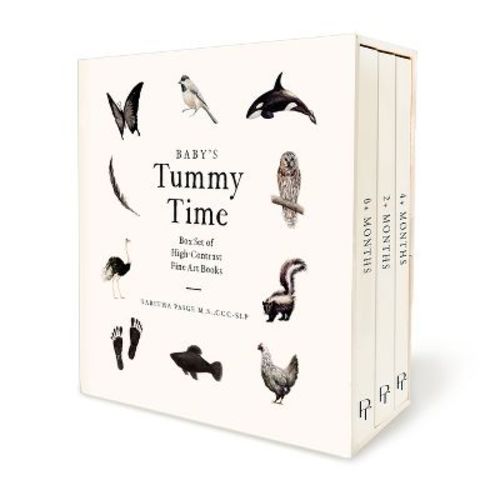
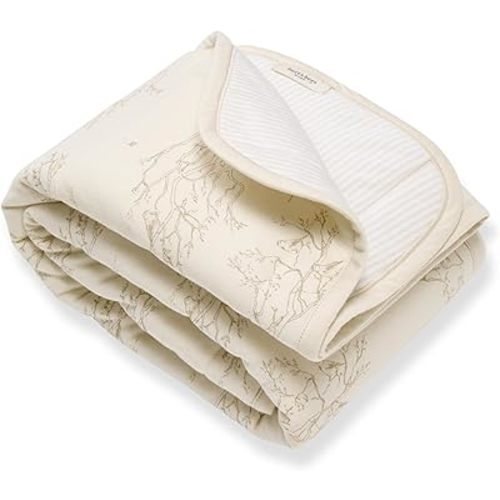
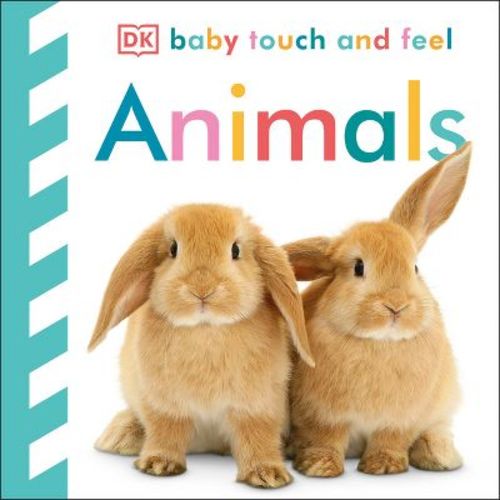
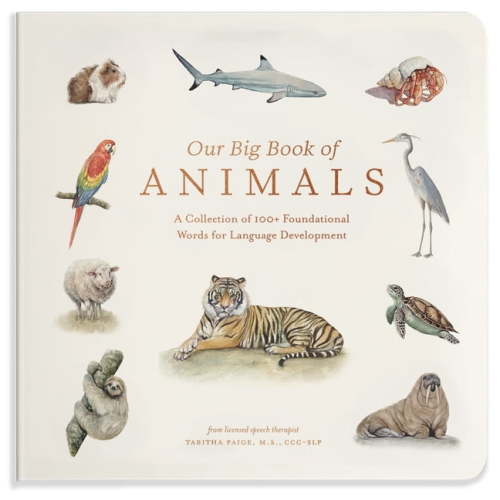
For baby shower gifts, this is already woven into everything on our registry — natural materials, simple toys, real objects. And when it comes to designed items like plates, cups, clothing, bedding, or décor, we tend toward realistic imagery over cartoons — an illustrated bird that looks like a bird, a picture book with true-to-life animals, a print that reflects the real world rather than a stylized one. This ties back to the same idea: the more a child’s environment reflects reality, the more it supports the way their mind is actually working during these early years.
For those who want to keep celebrating as this little one grows, here’s a gentle guide:
- → **Experiences over things** — a trip to the farmer’s market, a nature walk, a cooking afternoon, or a visit to a garden or farm will light up a child in this phase far more than any toy on a shelf
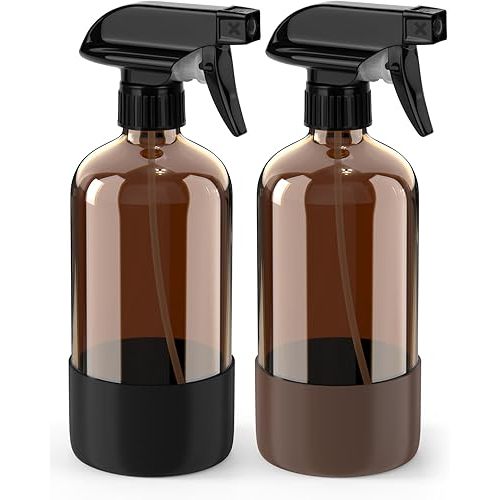
- → **Real tools, child-sized** — a small whisk, a wooden spoon, a spray bottle for watering plants, a little broom. These aren’t toys; they’re invitations into real life
- → **Books always** — at any age, from board books to picture books to chapter books saved for later. Bonus points if you sign the cover 📚
- → **Consumables** — beeswax crayons, watercolor paints, modeling clay, natural playdough. Beautiful, open-ended, and they don’t pile up
- → **Outdoor gear** — a magnifying glass, a small backpack, rain boots, a sun hat. Anything that makes being outside easier and more joyful
-----
🍼 Feeding
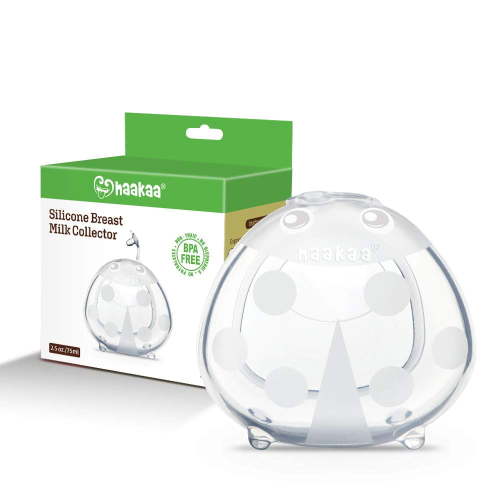
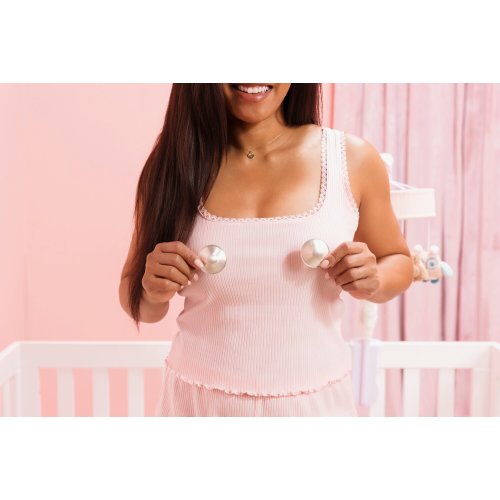
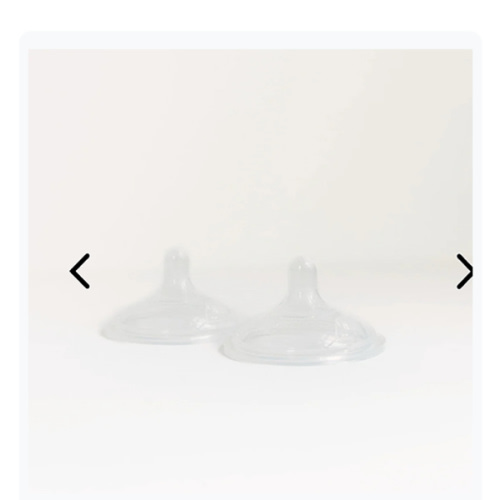
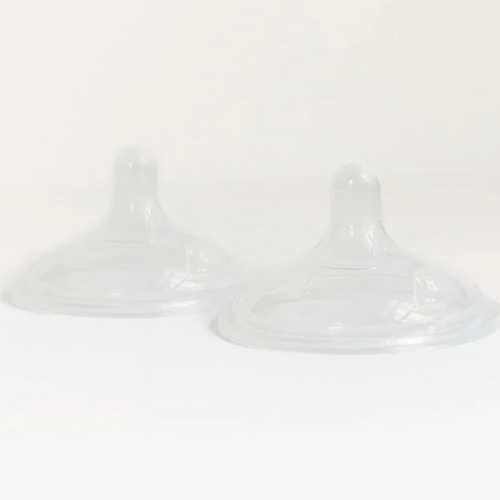
Savannah plans to breastfeed exclusively and long-term, using the Haakaa to collect letdown and filling one bottle per day for dad. We’re skipping formula entirely — to us, formula is the processed food equivalent of infant feeding, and just as we avoid processed food for ourselves, we’re extending that same standard to our baby from the very beginning.
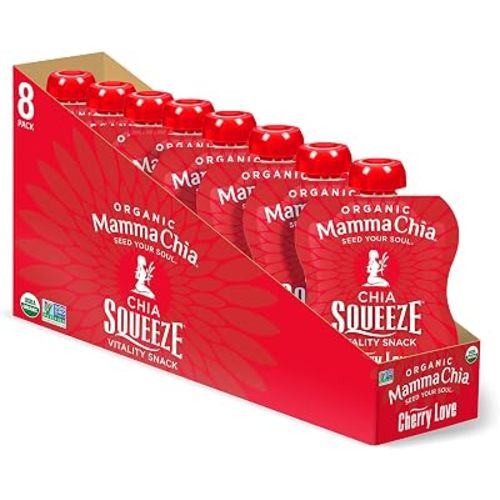
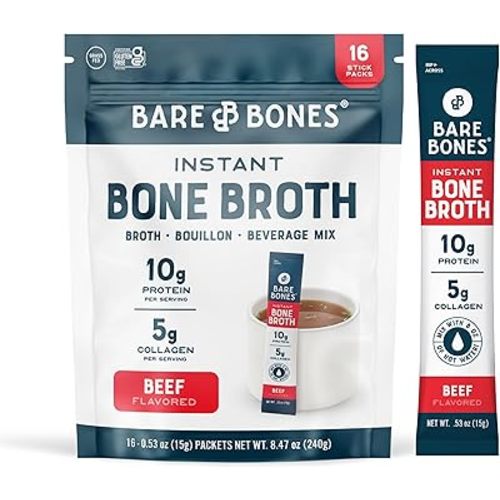
When it’s time to introduce solids, we won’t be doing rice cereal, fruit and veggie pouches, or anything sold in a grocery store as “baby food.” Instead, our little one will eat what we eat — beef, eggs, broth, vegetables, fruits — whole foods without a nutritional label. No purees, no cereals, no commercial products. Just real food, introduced through baby-led weaning when the time is right.
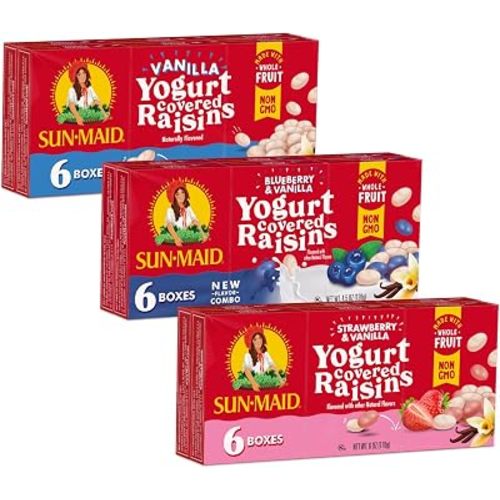
We also won’t be introducing added sugar before age two, and beyond that, we simply won’t be keeping candy, soda, or foods with no nutritional value in our home. We ask that this be extended to holiday and birthday gifting as well — no sweets, please. We know this might feel like a lot to ask, and we genuinely appreciate your respect for it.
-----
🧷 Diapers & Elimination Communication
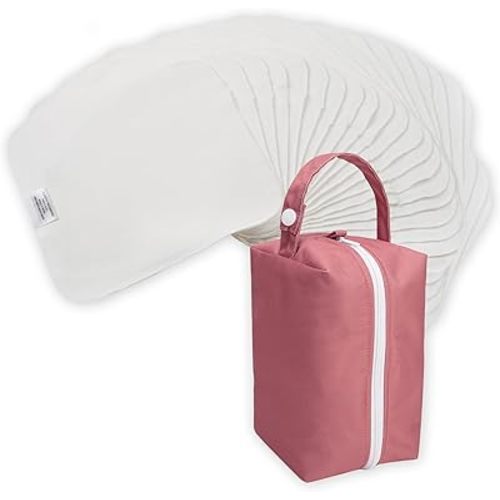
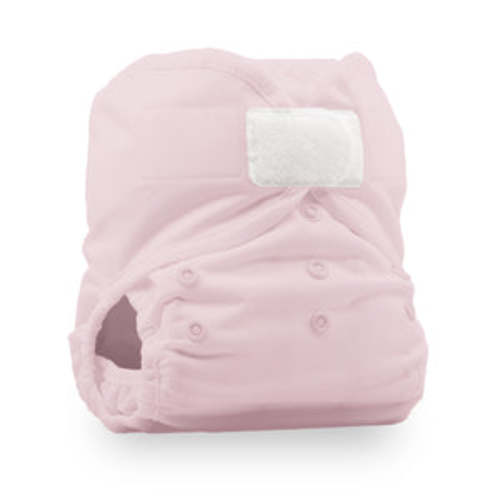
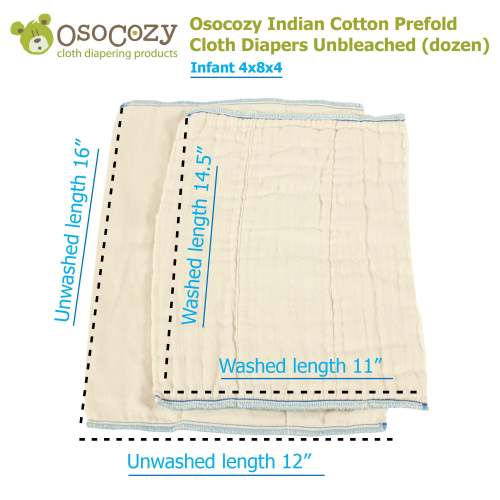
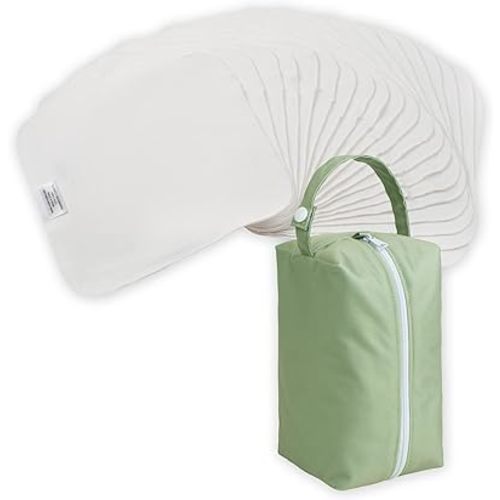
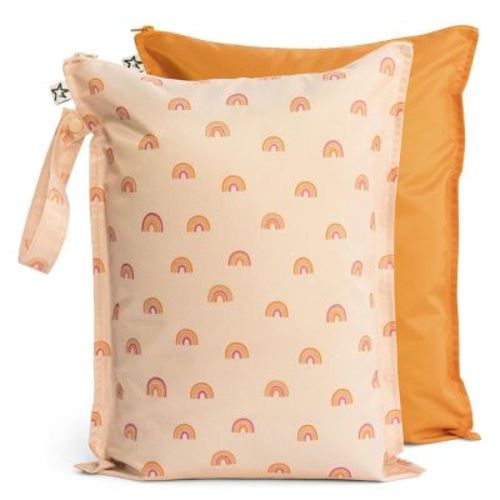
We’ll be using cloth diapers, and we do want to take a moment to address this directly — because we know it surprises some people!
The decision comes down to two things: materials and development. Disposable diapers, even “natural” ones, place synthetic materials directly against a baby’s skin for years. We’re already putting so much thought into what touches our baby’s body, and this felt like a natural extension of that.
The second reason is perhaps less expected: we plan to begin toilet training as infants, using a method called elimination communication (EC). This is the practice of tuning into a baby’s natural cues to recognize and respond to their need to eliminate — and it is, in fact, the global norm. Somewhere between 50–70% of the world’s children are toilet trained by 12 months. The current Western standard of waiting until age 2, 3, or even 4 is a relatively recent development — one that arrived alongside the mass marketing of disposable diapers in the mid-20th century.
Before disposables became widespread, most children in the United States were toilet trained by 18 months. By the 1980s, as diaper companies grew larger and their influence over pediatric guidance increased, toilet training ages quietly shifted later and later — not because of new science, but because of commerce. Today, extended diapering is treated as biological fact, when in reality it is largely a cultural and economic construct.
The irony is that waiting longer often doesn’t make toilet training easier — it can actually make it harder. A child who has spent years in a diaper has been encouraged, in a sense, to ignore the signals their body sends. Practicing elimination communication from early on keeps that mind-body connection alive, supports body awareness and confidence, and tends to make the transition to full independence much smoother.
We’ve gotten some pushback on this, and we understand — it’s unfamiliar. If you’re curious, we encourage you to look into it. There’s a wealth of research and a growing community of parents practicing EC with beautiful results.
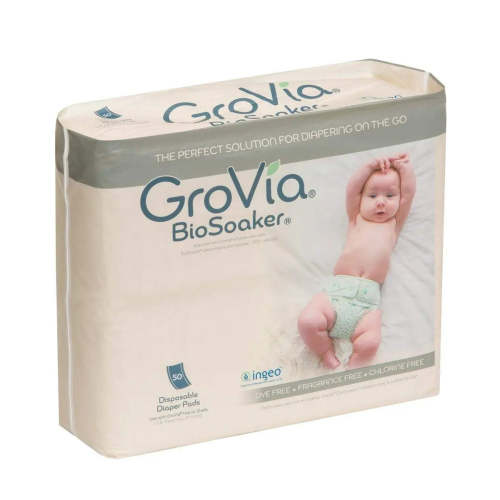
**On disposable diapers as gifts* Please hold off on these unless they are the **Kudos** brand, which we’ve selected for the rare situations where disposables make the most practical sense — travel, emergencies, or special occasions. Any other disposables, while given with love, won’t be used.
-----
👕 Clothing & Blankets
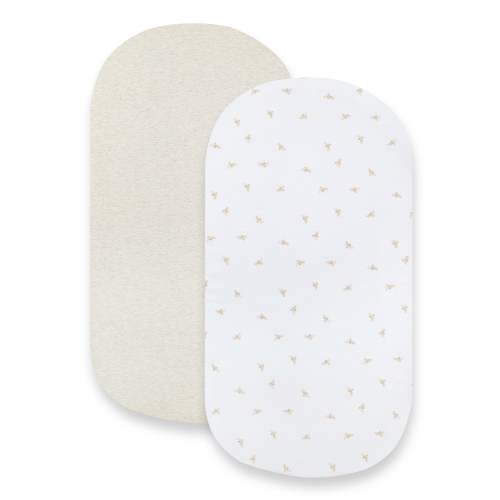
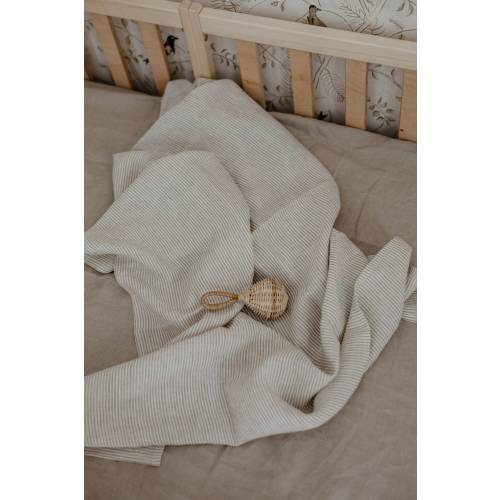
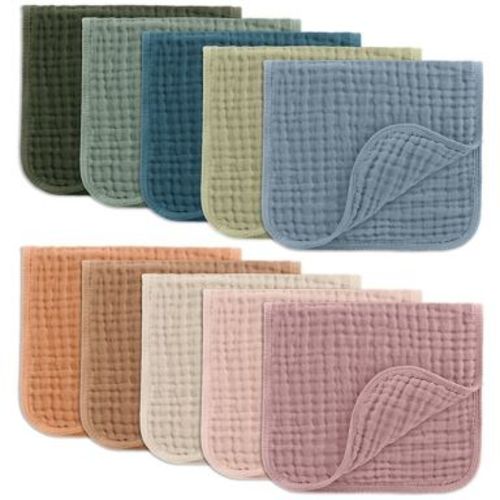
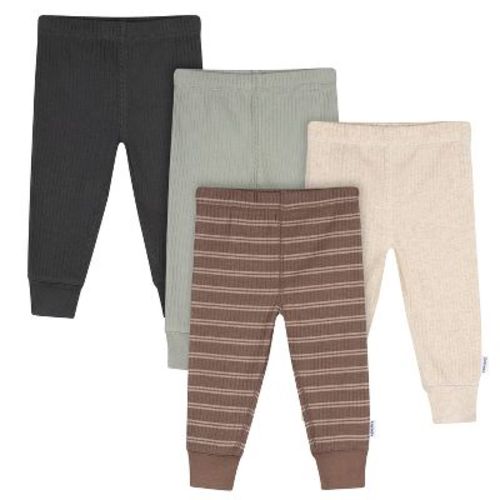
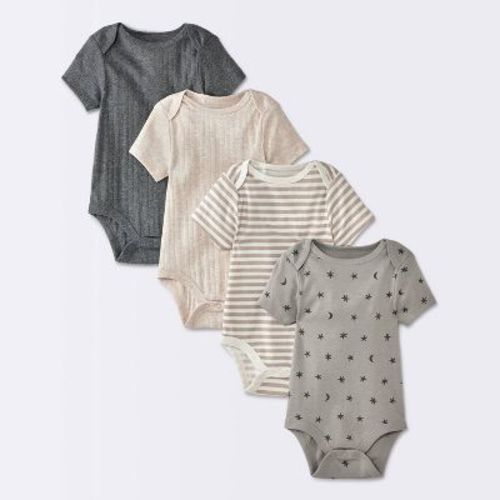
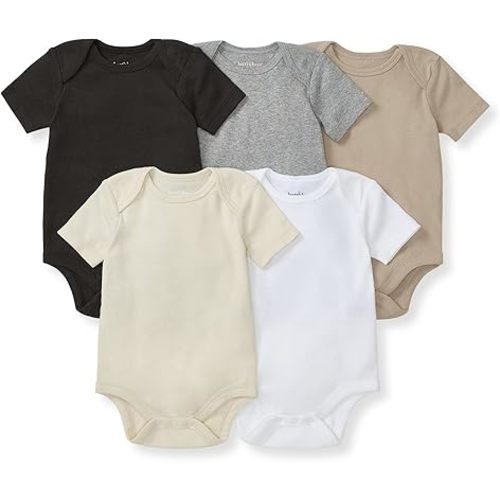
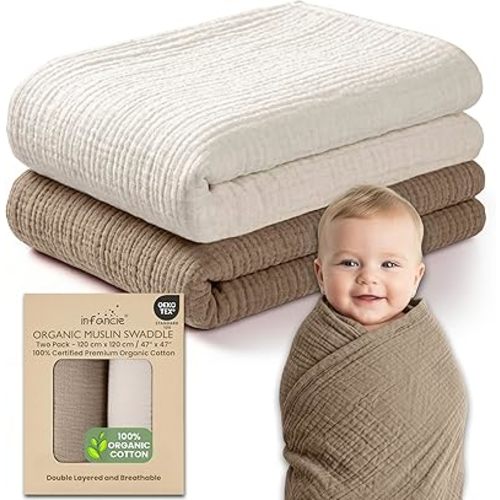
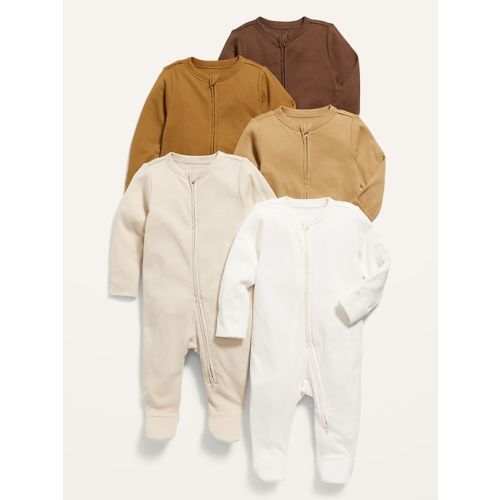
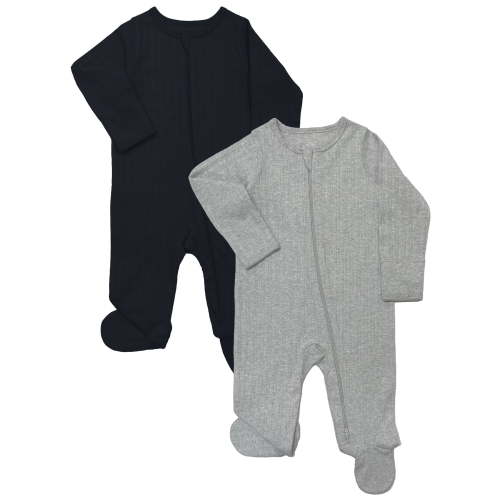
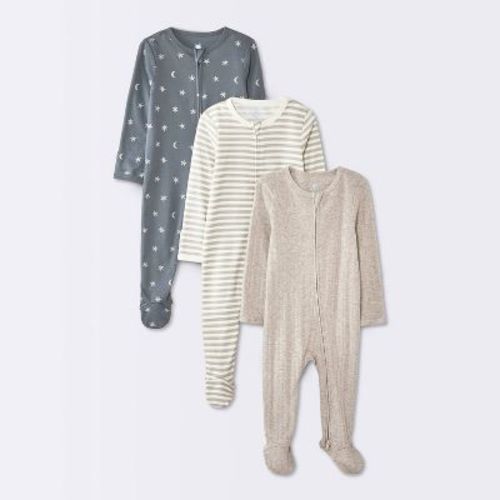
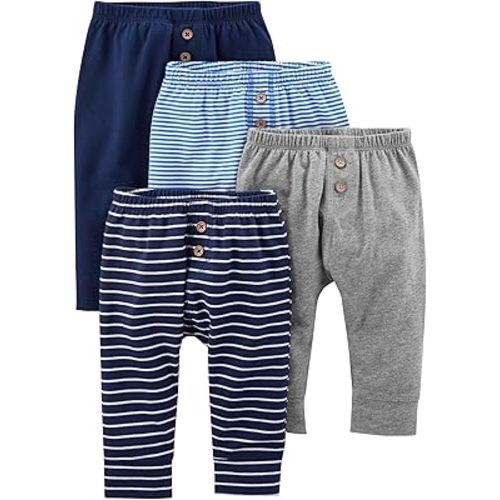
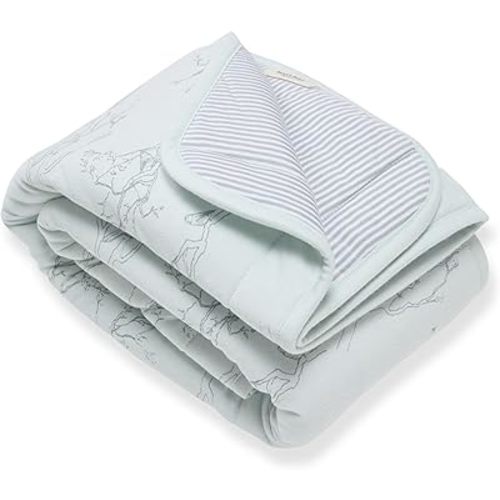
We’d love to receive clothing and blankets! We’re sticking to 100% cotton, organic cotton, or other natural materials for anything touching baby’s skin — and a variety of colors is always welcome.
Sizes 0–12 months work best. Here’s what we need most:
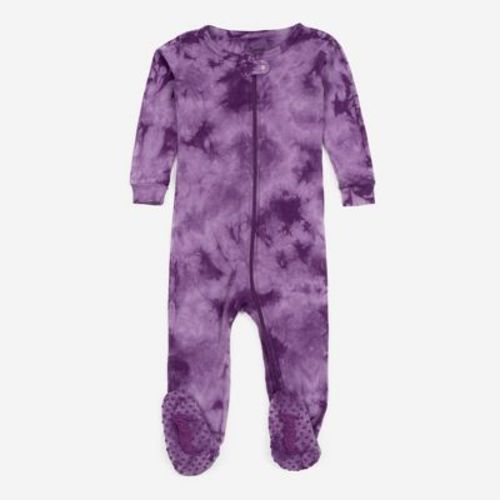
- Footie pajamas and onesies (zipper or velcro closures are a dream — snaps at 3am are nobody’s friend 😁)
- Shirts & pants
- Cotton or organic cotton blankets, muslin, light knit
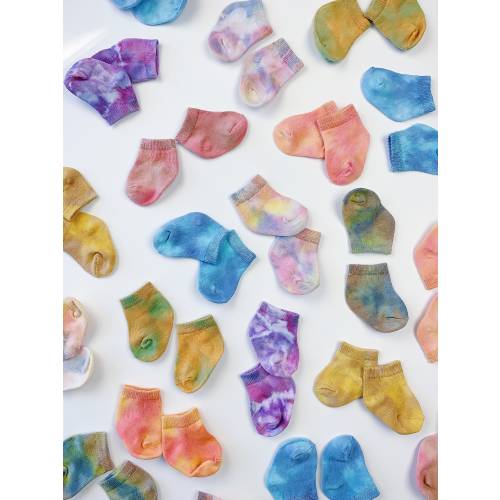
👣 **We’re skipping socks and shoes as much as possible!** Bare feet support healthy foot development and spatial awareness in the early months. No need to hunt down tiny sneakers — though we won’t say no if they’re irresistibly cute. 😁
-----
🌿 Materials We Love
Whether you’re shopping from the registry or choosing something on your own, here’s a guide to the materials we prioritize.
✅ We love:
**Fabrics & Textiles**
- 100% organic cotton (GOTS certified)
- Merino wool
- Linen & hemp
- TENCEL / Modal
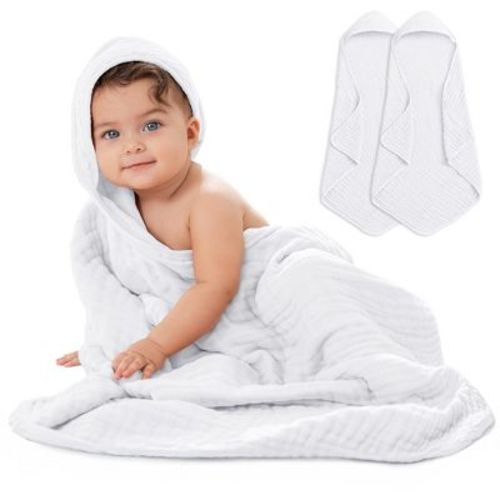
- Unbleached muslin
**Hard Materials**
- Solid hardwood — beech, maple, birch, pine
- Baltic birch plywood (non-toxic finish)
- Natural cork
- Bamboo in hard form only — utensils, not fabric
**Safe Alternatives**
- Food-grade silicone
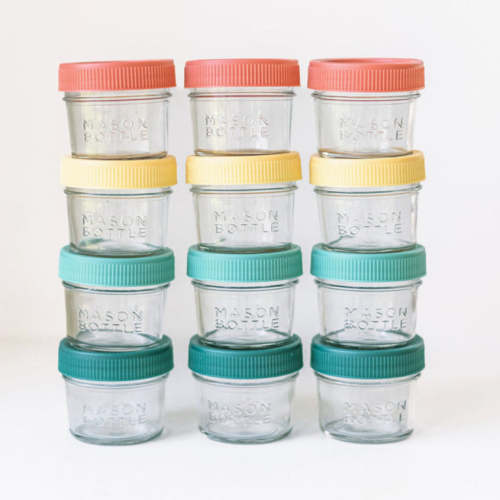
- Stainless steel & glass
- Natural rubber / GOLS latex
- TPU waterproofing
🚫 We’re avoiding:
- ✗ Polyester, acrylic, nylon, or fleece fabrics
- ✗ Bamboo viscose / bamboo fabric (chemically processed)
- ✗ PVC, vinyl, or BPA-containing plastics
- ✗ Foam toys or play mats (EVA, polyurethane)
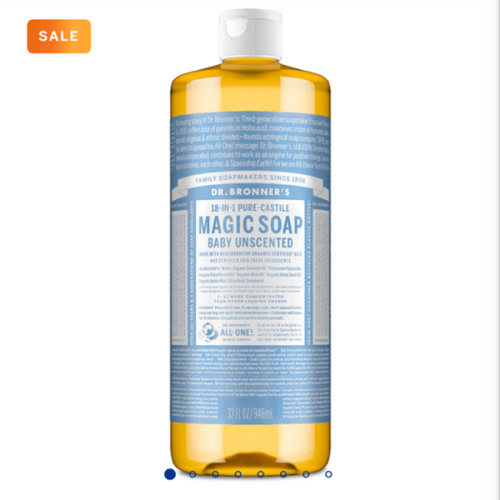
- ✗ Synthetic fragrance in any product
- ✗ Battery-operated toys
-----
📚 A Little Side Quest
Skip the card this time! Instead, find your favorite childhood book and sign the inside cover for baby. Don’t worry about the reading level — we’ll save it for when they’re ready.
-----
💛
We know this looks a little different from what most people are used to — and we are genuinely grateful for your openness and support. We truly believe this is the best thing we can do for our child, and having people around us who care enough to honor that means everything.
Thank you for celebrating with us and for welcoming this little one with so much love. 💗
*Savannah, Chase & Baby · August 2026*Bundled picks made to gift
Made with Babylist Shop items from their registry.
Postpartum
Baby gear
 Most wanted
Diapering
 Most wanted
Sleeping
 Most wanted
 Most wanted
Health & safety
 Most wanted
Bathing
Playing
Clothing
Purchased